📜 Art, sand, and matter: African craftsmanship told by the creators themselves.

The Art of Senegal: Transforming Sand into Stunning Masterpieces
Welcome to a world where the earth itself becomes art. This blog celebrates the master artisans of Senegal who transform seven distinct varieties of natural sand into breathtaking, living canvases. Dive into the heritage, the precision, and the untold stories behind this unique African craft.
AFRICA CHRONICLES
6/25/20265 min read
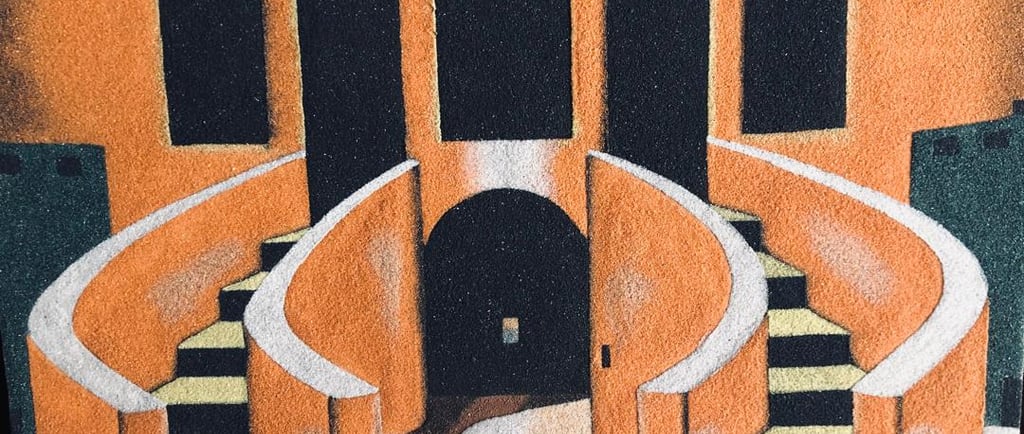
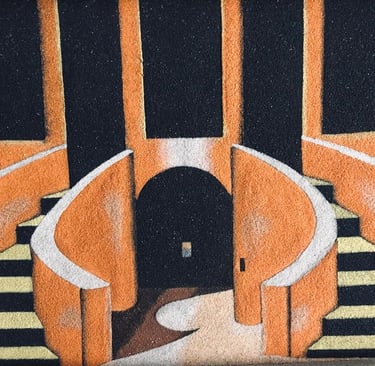
A Glimpse into Senegalese Sand Art
Senegalese sand art represents a unique blend of creativity and cultural expression, where ordinary sand is transformed into striking artworks that capture the essence of the local heritage. This art form has deep roots in Senegal, with artisans utilizing various types of natural sand, including fine, coarse, and colored sands, each contributing to the overall aesthetic and quality of the finished piece.
The fine sand, often used by artisans for its smooth texture, allows for intricate designs and a polished finish. It is particularly favored in creating detailed scenes and patterns that highlight the skill and dexterity of the artist. Coarser sands, on the other hand, are typically used in larger installations, where the texture adds a dimension of rawness and authenticity. Furthermore, colored sands, derived from local mineral deposits, introduce vibrant hues that can enhance visual storytelling and emotional impact in the artwork.
The significance of these materials extends beyond mere aesthetics; each type of sand holds a cultural narrative, connecting the artisans to their environment and ancestral practices. These sand art pieces often depict important factors of Senegalese life, history, and folklore, serving as a medium that preserves and transcends generational narratives. As this art form continues to evolve, contemporary artists are blending traditional techniques with modern influences, expanding the bounds of creativity while still respecting the cultural heritage of Senegal.
In the rich tapestry of Senegalese culture, sand art stands as a testament to the resilience and ingenuity of its people. It not only showcases the beauty of the material itself but also signals a deeper connection to the land and its stories, highlighting the importance of artistry in the cultural identity of Senegal.
The Craftsmanship Behind Sand Masterpieces
In Senegal, the art of transforming sand into beautiful masterpieces is a testament to the skill, dedication, and creativity of local artisans. The meticulous process begins with the collection of various sand types, each chosen for its unique color, texture, and quality. Artisans often venture to specific locations along the coastline or inland to gather the finest granules, ensuring the sand's suitability for their artistic vision. The sorting process follows, where artisans carefully differentiate sand by grain size and hue, further enhancing the potential for vibrant compositions.
Once the sand is gathered and sorted, preparation becomes crucial. Artisans often wash the sand to remove impurities, allowing the true colors to emerge. This preparation not only improves the aesthetic quality of the final artwork but also contributes to the longevity of the pieces created. Techniques such as grinding and sifting are employed to achieve the desired consistency, with finer grains providing softer tones and broader grains leading to more textured outcomes.
Tool selection is integral to the crafting process. Traditional implements such as wooden spatulas, brushes, and custom molds are utilized to manipulate the sand, allowing for precise application and detailing. Many artisans blend modern techniques with centuries-old practices, enhancing the functionality of their tools while honoring their cultural heritage. Sand can be layered, sculpted, or even painted onto surfaces, creating a variety of stunning visual effects. This artistic flexibility exemplifies the depth of craftsmanship inherent in Senegalese sand art.
Ultimately, the creation of sand masterpieces is not merely a technical endeavor; it reflects a deep personal commitment to the art form. Each piece represents countless hours of hard work, creativity, and passion, revealing the indelible connection between the artist and their medium. Through their artistry, Senegalese artisans not only transform sand into visual marvels, but also preserve and celebrate their rich cultural narrative.
Stories of the Artisans: Masters of Sand
The artisans of Senegal are the heartbeat of the sand art industry, each with a personal narrative that adds depth to the collective cultural tapestry. One such artisan is Mamadou Diop, who began his journey as a young boy captivated by the beaches of his coastal village. With each grain of sand, Mamadou discovered not just a medium for art but a reflection of his heritage. His intricate designs represent both personal stories and communal folklore, interweaving the history of his people into stunning works of art.
Another prominent figure is Aissatou Sow, who inherited the craft from her grandmother. Aissatou emphasizes the importance of oral traditions and how they inform her designs. She faces significant challenges, especially in a rapidly modernizing society where traditional crafts struggle to retain their place. Yet, her commitment to keeping these stories alive motivates her. She conducts workshops for local youth, teaching them the techniques while instilling a sense of pride and identity in their cultural heritage.
The struggle for materials also complicates their work. Many artisans depend on locally sourced sand, which varies in texture and color, limiting their palette. This resource scarcity pushes them to innovate, blending traditional methods with modern artistic influences. Their ability to adapt is crucial, as they seek not only to preserve their art but to elevate it within the global art scene.
Despite the challenges, the artisans find immense joy in their work, connecting with each piece they create. For them, sand is not merely an artistic medium; it symbolizes resilience, transformation, and an enduring legacy. By sharing their experiences and artistry, these masters of sand ensure that a rich cultural narrative continues to inspire future generations.
The Impact of Sand Art on Senegalese Culture and Economy
Sand art occupies a distinctive position within Senegalese culture, intertwining elements of creativity, heritage, and community engagement. This traditional form of artistic expression has flourished across various regions, where skilled artisans harness the abundant natural resource of sand to create intricate sculptures, stunning installations, and vibrant patterns. The significance of sand art extends beyond mere aesthetics; it plays an influential role in strengthening cultural identity and fostering community cohesion.
Economically, sand art serves as a vital source of income for many local artisans and their families. By establishing a niche in the artistic marketplace, these craftsmen are able to support themselves while simultaneously sustaining and promoting their cultural heritage. Markets and exhibitions featuring sand art attract both locals and tourists, providing a platform for artisans to showcase their skills and generate income. The proliferation of such markets thus not only benefits individual artists but also enhances the overall economy by stimulating other sectors, including hospitality and retail.
Furthermore, sand art presents significant opportunities for growth in the cultural tourism sector in Senegal. Visitors are increasingly drawn to unique cultural experiences, and engaging with sand art offers an immersive insight into the country’s rich artistic traditions. This rising interest not only brings economic benefits but also encourages the preservation of traditional artistic methods, ensuring that future generations inherit these valuable skills.
Lastly, the practice of sand art raises important environmental concerns regarding sand extraction and its implications. As artisans utilize natural sand for their artworks, there is a growing awareness of the need for sustainable practices. Increased advocacy around environmental protection can foster deeper appreciation for natural resources, ultimately emphasizing the importance of balancing creative expression with eco-consciousness. The conversation surrounding sand art reflects broader societal values, highlighting its role in advocating for environmental sustainability alongside the preservation of cultural heritage.
AFRICA CHRONICLES
Features
features@africachronicles.com
Paris — Casablanca — Dakar — New York
+221 78 166 73 03
+221 77 121 89 49
+212 707 646 404
© 2026 AFRICA CHRONICLES - A bilingual archive dedicated to African material culture.
THE STORIES THAT SHAPE A CONTINENT